Homes & rural properties
Reliable onsite treatment where central sewerage is unavailable or impractical.
Wastewater solutions
AfriKleen’s approach begins with the site—not a catalogue. Expected flow, wastewater strength, power, ground conditions, reuse objectives and local operating capacity all shape the recommended solution.
Initial focus: decentralised packaged treatment in Malawi.
Current core system
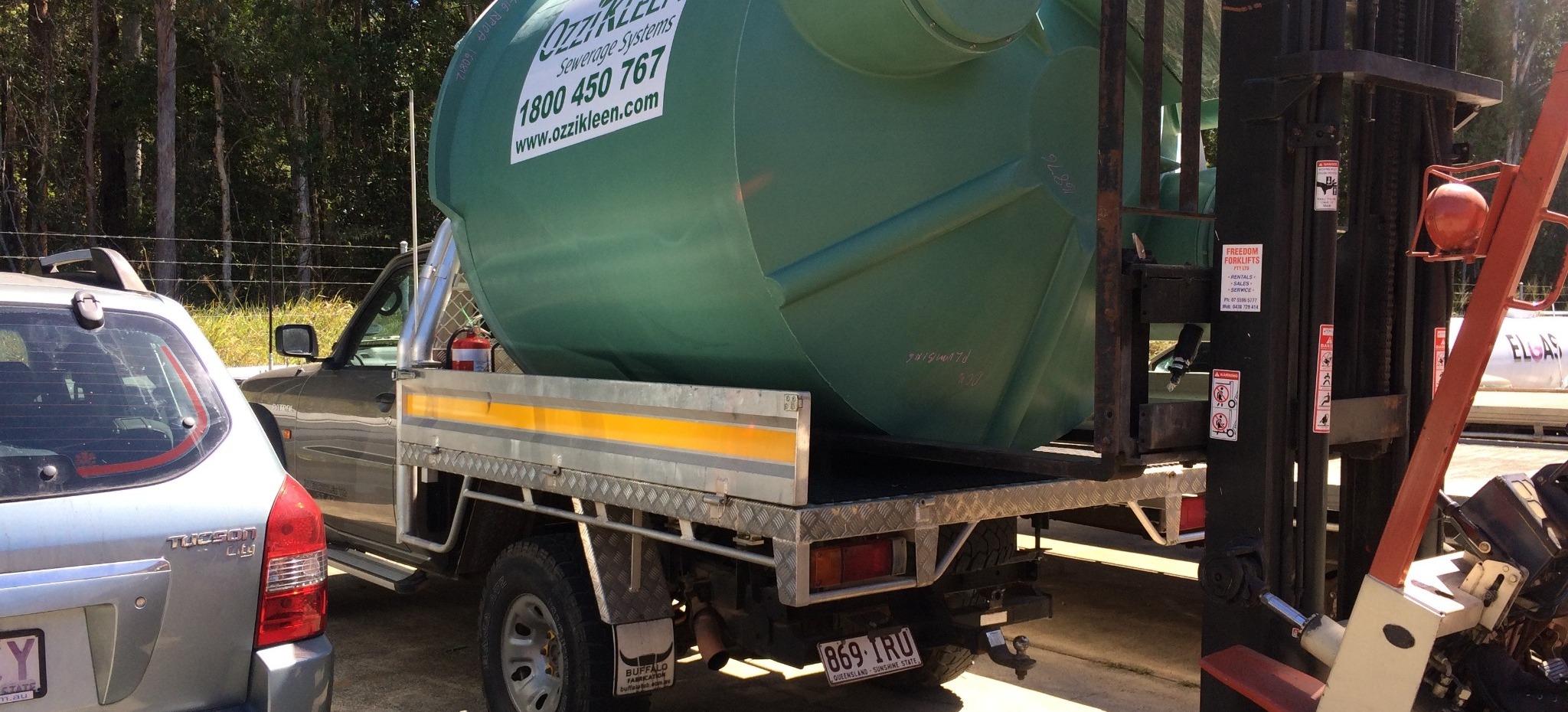
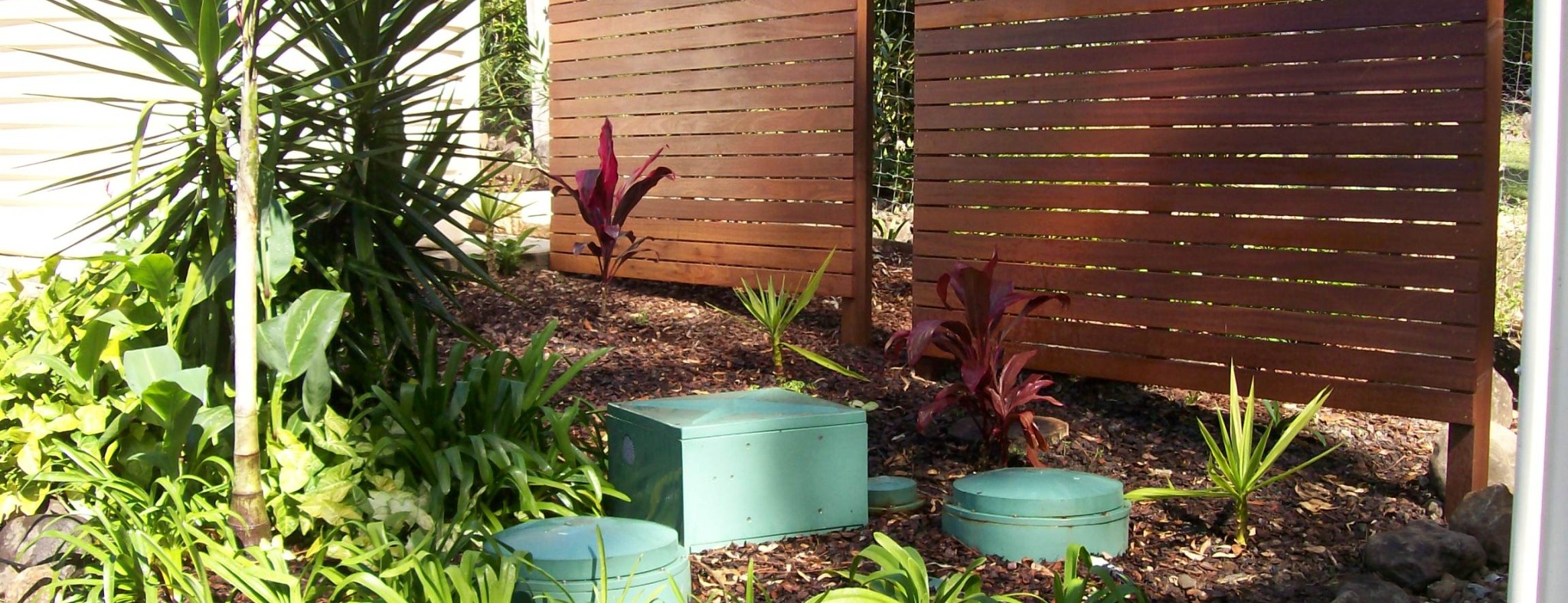
A compact single-tank treatment system for smaller sites, using sequenced biological treatment, settling and decanting within a controlled operating cycle.
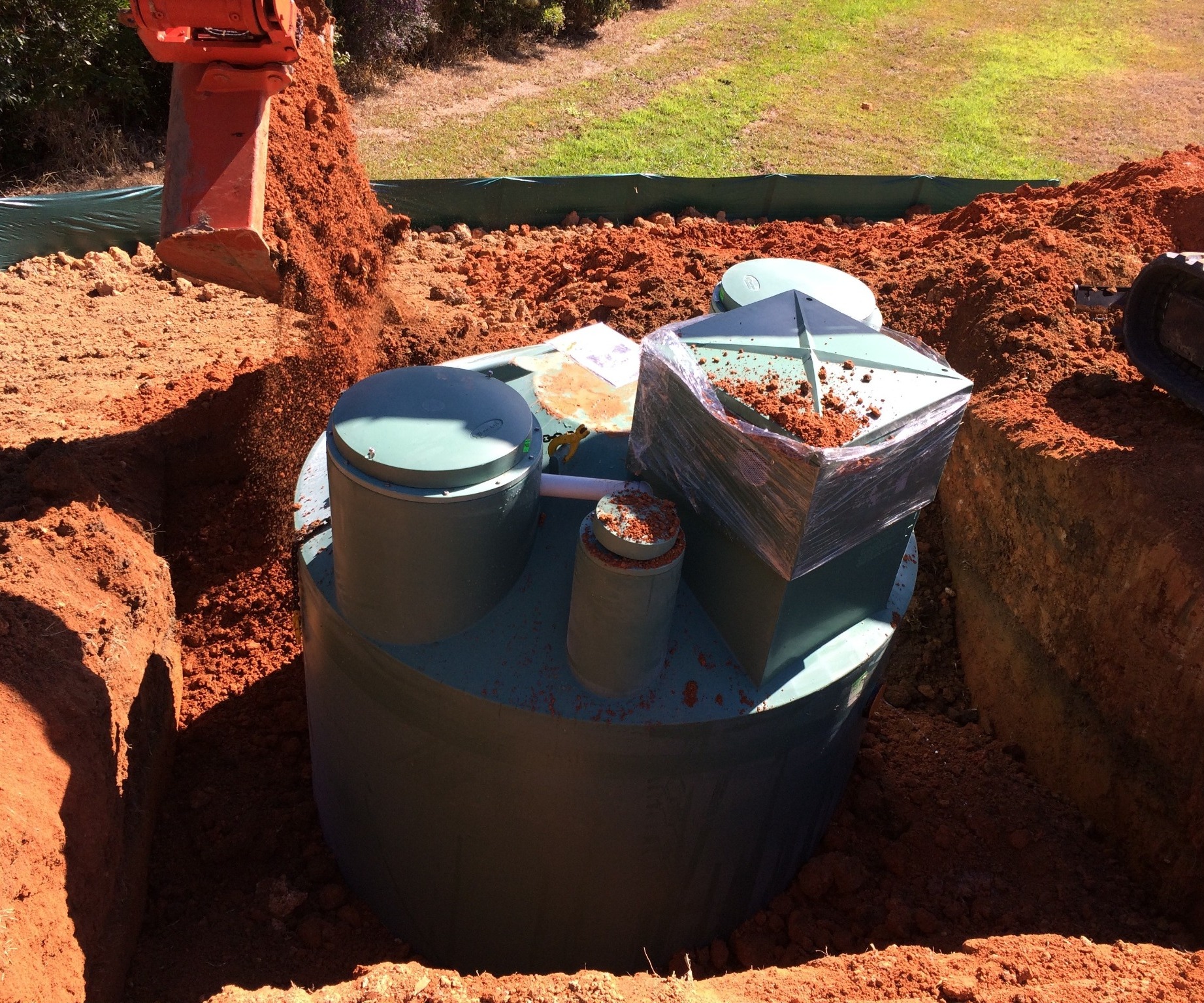
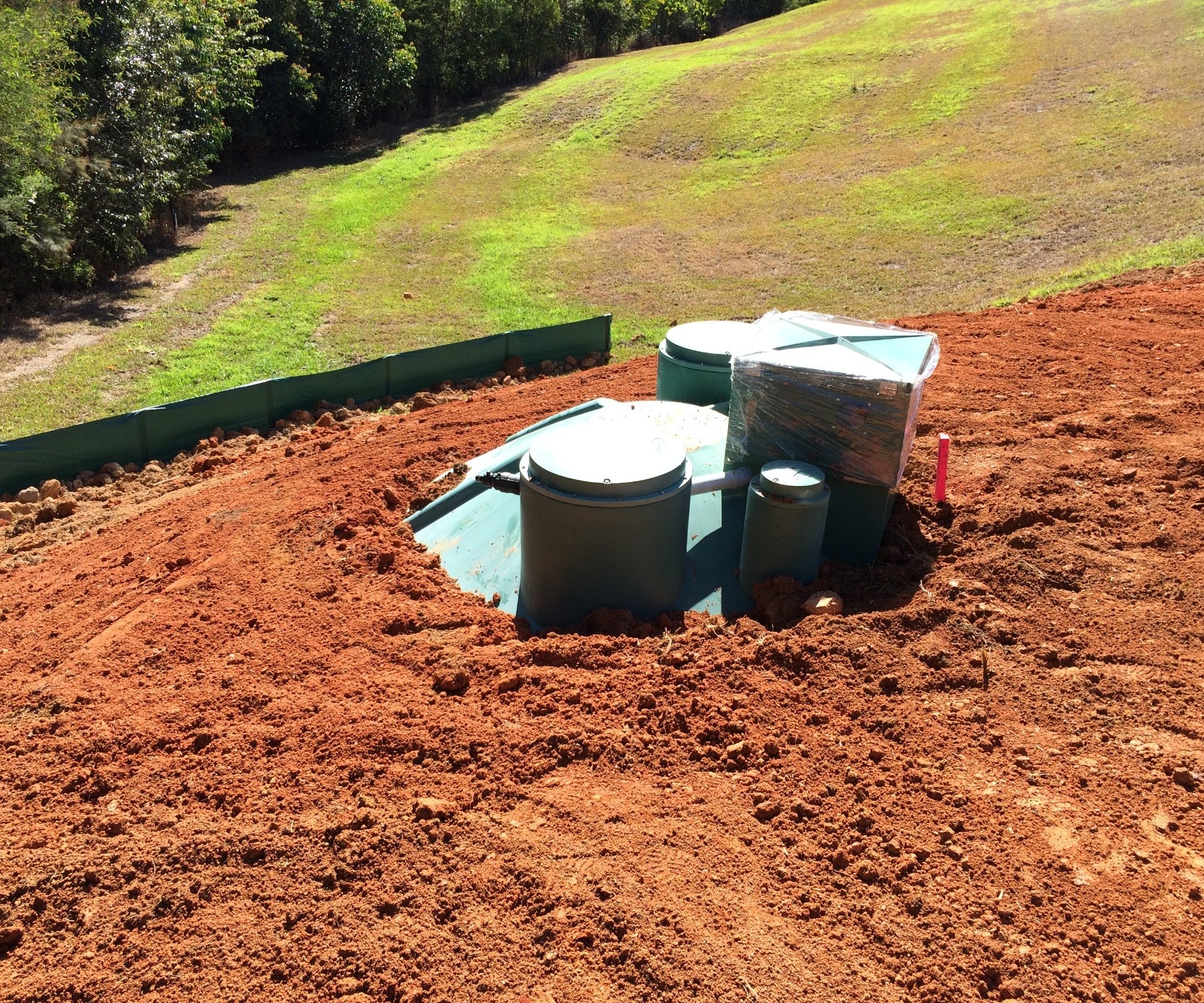
Installed below ground with only service access points visible once landscaping is complete.
Applications
The treatment principle can be applied as a single system or as part of a larger, site-specific arrangement.
Reliable onsite treatment where central sewerage is unavailable or impractical.
Repeatable systems that can be staged alongside development growth.
Practical sanitation infrastructure supported by operator training and service planning.
Compact treatment suited to variable occupancy and sensitive receiving environments.
Site-specific wastewater solutions for workplaces, camps and operational facilities.
Scalable treatment planned around actual loading, local skills and long-term ownership.
More than equipment
AfriKleen’s model covers assessment, supply, installation, commissioning, training, servicing, spare parts and technical support.
Review users, flow, wastewater strength, land, power, receiving environment, access and future demand.
Confirm treatment capacity, hydraulic arrangement, ancillary equipment, approvals and delivery requirements.
Support installation, testing, startup, operator handover and baseline performance records.
Train operators, establish preventative-maintenance routines, monitor performance and plan critical spare parts.
Indicative treatment targets
For a correctly designed and operated standard system receiving influent around 350 mg/L BOD, the technology is intended to achieve the following treatment targets.
Growth pathway
The launch range stays focused. The site structure leaves room for larger engineered systems when local delivery capability and project demand justify them.
RP10-led solutions for homes, small developments and compact commercial or community sites.
Multiple treatment units, balance arrangements and common dispersal infrastructure for larger loads.
A planned pathway toward locally produced systems for larger facilities and communities, subject to project engineering and approvals.
Every site is different
Share the location, expected users, wastewater sources, available area and project stage. AfriKleen can help define the information needed for a suitable concept.
Discuss a project